ニュージーランドの重要インフラ:初の公開ポスト量子暗号対応評価
概要
これは、ニュージーランドの重要インフラシステムを対象とした、初めての外部・公開・セクター横断的な耐量子暗号(PQC)対応状況評価です。目的別に開発されたオープンソースのTLSスキャナーを使用して、DPMCが定める7つの必須サービスセクター全体をカバーする118のNZ重要インフラエンティティの公開ウェブエンドポイントが、NIST標準化済みの耐量子ハイブリッド鍵交換 X25519MLKEM768(NIST FIPS 203)をネゴシエートするかどうかを測定しました。
主な調査結果:
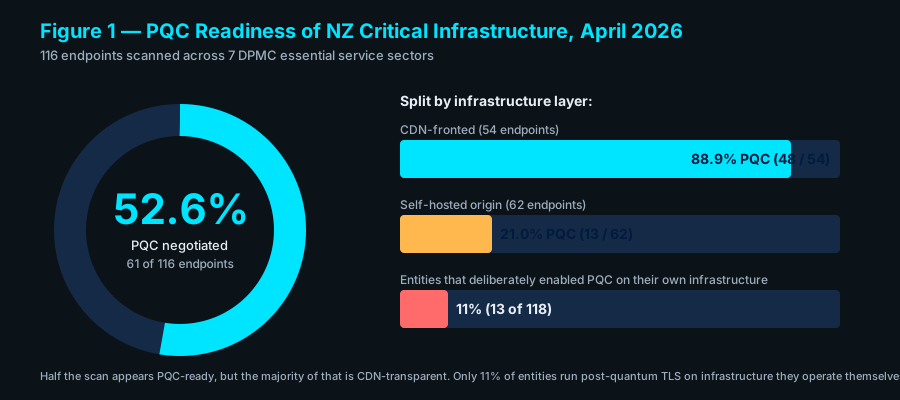
- 正常にスキャンできた116エンドポイントのうち61件(52.6%)が、現時点で耐量子ハイブリッド鍵交換をネゴシエートしています。
- その61件のPQC結果のうち48件は、コンテンツデリバリーネットワーク(Cloudflare、Imperva、AWS CloudFront)によって透過的に提供されています。これらのプロバイダーは2024年から2026年初頭にかけて、デフォルトで耐量子TLSを有効化しました。
- 自組織で運用するインフラ上で耐量子TLSを稼働させているエンティティはわずか13件(11%)に過ぎません。CDNが提供するものは別として、この13組織のみが、スキャン結果から独自の暗号選択を行っていることが実証されています。
- 飲料水・下水道セクターには、自己ホスト型PQCエンドポイントがゼロです。
- 4つのエンティティはFastlyの背後に位置していますが、Fastlyはまだデフォルトの耐量子TLSを展開していません。これらのエンドポイントには、CDN提供のPQC保護もオリジン側のPQC保護もありません。
- DPMCの重要インフラ諮問——提出期限は2026年4月19日——には、暗号技術、耐量子暗号、暗号的敏捷性、またはNZISMセクション2.4についての実質的な言及が一切ありません。
完全な調査方法、対象リスト、生データは、公開リポジトリ github.com/spinsphere/nzism-pqc-audit にあります。
なぜこれが重要か:セキュリティ分野に携わっていない方への短い解説
あなたが訪れるほぼすべてのウェブサイトは、対称暗号(量子攻撃者に対して安全)と鍵合意ステップ(量子攻撃者に対して安全ではない)を組み合わせたハンドシェイクで接続を保護しています。十分に強力な量子コンピュータが存在するようになれば、Peter Shorが1994年に考案したアルゴリズムを実行し、その鍵合意ステップの基礎となる数学問題を解くことで、記録されたハンドシェイクからセッション鍵を復元できるようになります [1]。
覚えておくべき言葉はハーベスト・ナウ・デクリプト・レイター(HNDL)です:十分なストレージを持つ敵対者は、今日暗号化された通信を取得・保存し、必要な量子コンピュータが存在するようになった時点で復号できます。The Quantum Insiderが2026年4月の解説記事でまとめたように、「情報機関はすでに、量子コンピュータが利用可能になった時点で復号する意図のもと、暗号化された通信を収集している」のです [2]。
これは脅威の時計を変えます。暗号技術に対する量子リスクは、量子コンピュータが登場したときだけの問題ではありません——長期的な機密性を必要とするデータ(医療記録、法的事項、産業IP、国家情報、金融の保存記録)については、それはすでに今日の問題です。
NISTは2024年8月に最初の耐量子暗号標準を策定しました [3]:
- ML-KEM — FIPS 203 — 鍵カプセル化(旧称 CRYSTALS-Kyber)
- ML-DSA — FIPS 204 — デジタル署名(旧称 CRYSTALS-Dilithium)
- SLH-DSA — FIPS 205 — ステートレスハッシュベース署名のバックアップ(旧称 SPHINCS+)
ウェブTLS専用には、ブラウザ、サーバー、主要TLSライブラリが X25519MLKEM768 に収束しています——これは古典的X25519とML-KEM-768を並列で実行するハイブリッドであり、いずれかの基本方式が安全であれば接続は安全です。Chrome、Firefox、Safari、OpenSSL、Go、および最近のApple OSは、すべてデフォルトでこれを有効化しています [4]。私たちのスキャナーは、クライアントがこのハイブリッドを提示したとき、サーバーが実際にネゴシエートするかどうかを確認します。
耐量子暗号の軌跡——過去18か月で何が変わったか
2024年中頃まで、PQCを2030年以降の問題として扱うことは許容されていました。もはやそれは許容できません。2025年5月から2026年4月の間に起きた3つの出来事により、タイムラインは実質的に短縮されました。
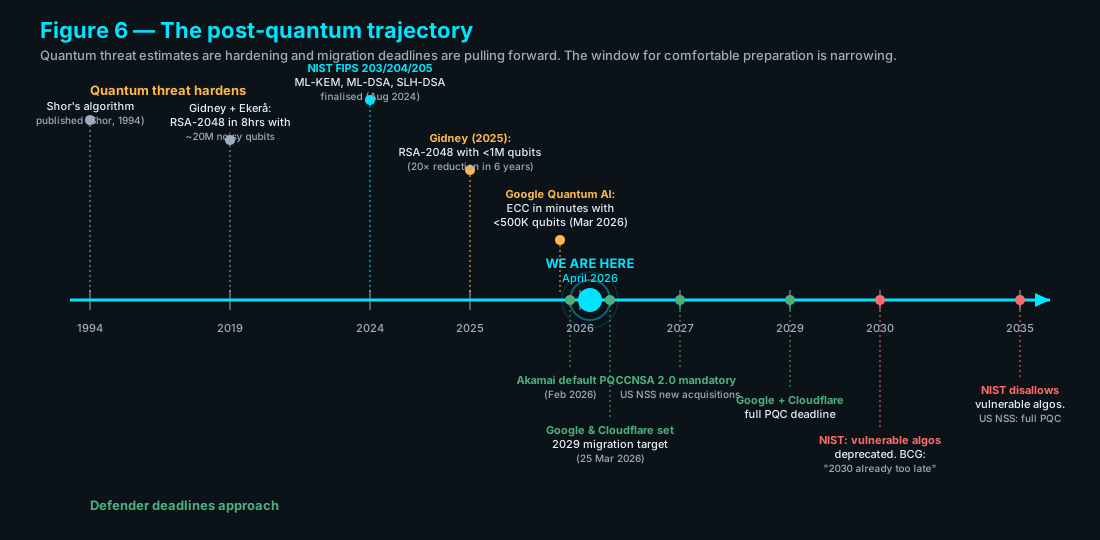
2025年5月 — Craig GidneyがRSAの難易度を引き下げる。 Gidney(Google Quantum AI)はarXivプレプリント [5] を公開し、2048ビットのRSA整数が100万量子ビット未満の量子コンピュータによって1週間以内に素因数分解できることを示しました——同一のハードウェア仮定(ゲートエラー率0.1%、表面符号サイクル1μs、反応時間10μs)のもとで、2019年の彼自身の推定値2000万量子ビット [6] から20倍の削減です。この削減はアルゴリズムの改善——近似剰余演算、連結表面符号、より小さな魔法状態蒸留フットプリント、2024年設計と比較してToffoliゲート数を100倍以上改善——によるものです。基礎となるハードウェア仮定に変化はありません。推定値がより精確になっただけですが、その精確化は移行可能な時間を短縮する方向へ進みました。
2026年3月25日 — Googleが2029年移行目標を発表し、Cloudflareが同日これに合わせる。 GoogleのHeather Adkins(VPセキュリティエンジニアリング)とSophie Schmieg(シニアスタッフ暗号エンジニア)は、Googleが運営するシステム全体の耐量子暗号移行完了期限として2029年を設定する業界影響力のあるブログ記事を公開しました [7]。Cloudflareは既存の2030/2031年内部目標を前倒しして合わせました [8]。Googleの公式説明では、量子ハードウェアの進歩、誤り訂正の進展、そしてGidney 2025のような論文からの量子ビット推定値の低下が期限前倒しを正当化するとされています。Googleはまた、Android 17にML-DSAデジタル署名保護を搭載し、次のベータ版でテストを行い、2026年中頃の安定版リリースとともに一般提供される予定です [9]。
2026年3月30日 — Google Quantum AIが楕円曲線暗号の難易度を引き下げる。 Google Quantum AIのホワイトペーパーは、楕円曲線暗号(現代のほぼすべてのTLS鍵合意、ビットコインおよびイーサリアム署名、NIST P-256の基盤)が50万物理量子ビット未満で数日ではなく数分で解読できることを報告しました——Litinski(2023)によるフォトニックアーキテクチャ上での900万量子ビットという従来の最良推定値 [10] と比較して約20倍の削減です。The Quantum Insiderは2026年3月を「3か月で3本の論文……量子脅威タイムラインを書き直している」と評しました [11]。
これが軌跡の様子です:現代のインターネットを支える暗号技術を解読するために必要と推定される物理量子ビット数は、「数千万」(Gidney-Ekerå 2019)から「約100万」(Gidney 2025)、ECCに限っては「50万未満」(Google Quantum AI 2026)へと移動し、世界最大のインフラプロバイダーによる移行期限は「2030年頃」から「2029年」へ移動しました。暗号学的に意義のある量子コンピュータが今日存在するとする信頼できる声はありません。しかし、「存在しない」と「存在する」の間の正直な時間的余裕は、ほとんどの組織の移行能力よりも短いと主張する声は多くあります。
Boston Consulting Groupの広く引用される見解——Googleの最近の発表に含まれる——は、「2030年に始めることはすでに手遅れになる」というものです [12]。NISTの移行報告書(IR 8547)[13] は、RSA-2048やECDSA-P-256を含む量子脆弱なアルゴリズムを2030年以降に廃止予定とし、2035年以降に禁止するよう求めています。NSAの商用国家安全保障アルゴリズムスイート2.0 [14] は、米国国家安全保障システムの新規調達について2027年1月1日からCNSA 2.0準拠を要求し、2030年までにCNSA 2.0署名を使用するソフトウェアを展開し、2033年に中間目標を設け、2035年までに米国国家安全保障システム全体での完全な量子耐性を達成するとしています。
ニュージーランドは、ファイブアイズの中で唯一、同等の移行期限をまだ設定していません。
これが私たちのスキャンが実施された状況です。
スキャン設計
- ツール:
nzism-pqc-auditv0.1.0、MITライセンスのオープンソースRust CLI。ソース、コミット履歴、対象リスト、レポートテンプレートはすべて github.com/spinsphere/nzism-pqc-audit で公開されています。 - 方法:各ターゲットについて、
X25519MLKEM768(FIPS 203、ハイブリッドモード)を含む鍵共有グループのセットを提示してhost:443へのTLS 1.3ハンドシェイクを開始します。ネゴシエートされたTLSバージョン、暗号スイート、鍵交換グループを記録します。別途、HTTPフェッチを実行し、レスポンスヘッダーからCDNフィンガープリント(Cloudflare、AWS CloudFront、Akamai、Fastly、Imperva/Incapsula)を検査します。スキャナーは証明書を検証しません——私たちはPQCの態勢を評価しており、信頼性ではありません。 - 対象リスト:DPMCの7つの必須サービスセクター全体にわたる118エンティティで、DPMCの補足文書2 [15] の草案閾値に近似するよう選定されています:通信・データ、防衛、エネルギー、金融、医療、交通、飲料水・下水道。リストはリポジトリで公開されており、選定ロジックは文書化されています。
- スキャン日:2026年4月14日。
- このスキャンが測定しないもの:内部暗号技術、証明書署名アルゴリズム(ML-DSA導入状況)、保存データ、SSH、TLS以外のプロトコル、鍵管理品質、または組織の暗号態勢全般。PQC陽性のTLSハンドシェイクは耐量子対応に必要ですが、それだけでは十分ではありません。
- 責任ある情報開示:セクターレベルの集計データをここで公開します。個々のエンティティの結果は、そのエンティティがすでに公開かつ意図的にPQC陽性の状態にある場合(以下の「オリジンPQC」優秀者リスト)のみ名前を記載します。
主要結果
| 指標 | 値 |
|---|---|
| スキャン対象数 | 118 |
| スキャン成功数 | 116 |
| ハンドシェイクエラー | 2 |
| TLS 1.3 サポート | 107 (92.2%) |
PQCハイブリッド(X25519MLKEM768)ネゴシエート | 61 (52.6%) |
| CDN経由 | 54 (46.6%) |
52.6%は、移行期限を設定していない国としては、一見すると妥当な数字です。エンドポイントがCDN経由か自己ホスト型かで分けると、見方が変わります:
| 分類 | エンドポイント数 | PQCネゴシエート | 比率 |
|---|---|---|---|
| CDN経由 | 54 | 48 | 88.9% |
| 自己ホスト型(オリジン) | 62 | 13 | 21.0% |
エッジ層の暗号技術はほぼ完全に耐量子対応です。オリジン層の暗号技術はほぼ完全に対応していません。52.6%という見出し数字は事実ですが、そのほぼすべてはCDNベンダー——Cloudflare [4]、Imperva、Akamai [16]、AWS [17]——によって、私たちのスキャンの6か月から18か月前にNZ重要インフラセクターへ提供されたものです。
セクター別内訳
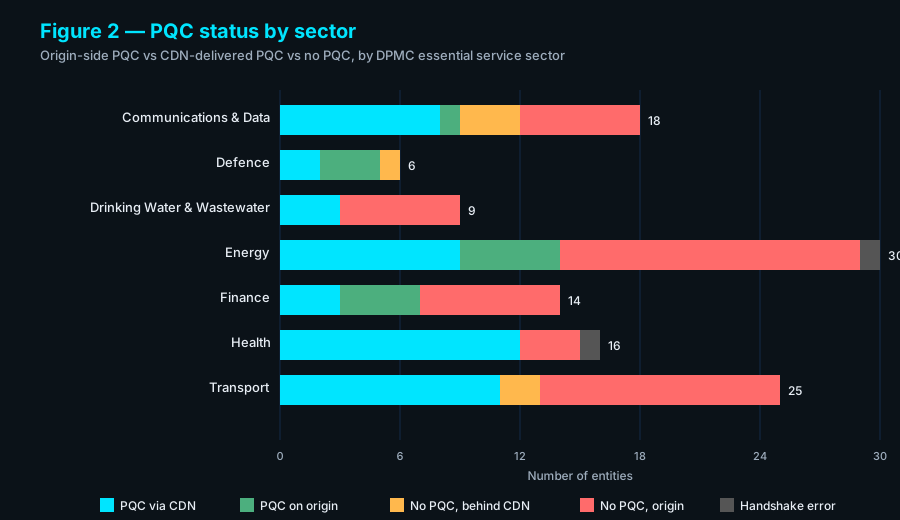
| セクター | スキャン数 | PQC合計 | PQC(CDN) | PQC(オリジン) | PQCなし(CDN) | PQCなし(オリジン) | エラー |
|---|---|---|---|---|---|---|---|
| 通信・データ | 18 | 9 (50%) | 8 | 1 | 3 | 6 | 0 |
| 防衛 | 6 | 5 (83%) | 2 | 3 | 1 | 0 | 0 |
| 飲料水・下水道 | 9 | 3 (33%) | 3 | 0 | 0 | 6 | 0 |
| エネルギー | 30 | 14 (48%) | 9 | 5 | 0 | 15 | 1 |
| 金融 | 14 | 7 (50%) | 3 | 4 | 0 | 7 | 0 |
| 医療 | 16 | 12 (80%) | 12 | 0 | 0 | 3 | 1 |
| 交通 | 25 | 11 (44%) | 11 | 0 | 2 | 12 | 0 |
| 合計 | 118 | 61 (52.6%) | 48 | 13 | 6 | 49 | 2 |
医療 — 合計80%、オリジン0%。私たちが観察したPQC陽性の医療エンドポイントはすべてImperva/Incapsaの背後にあります。Health NZ / Te Whatu Oraは2022年の改革時に旧DHBウェブ資産を共有WAFの背後に統合しており、耐量子処理を行っているのはそのWAFの終端レイヤーであり、病院のオリジンサーバー自体ではありません。これはエッジで終端するユーザーのリクエストを保護しますが、組織としてのPQC態勢ではありません。
防衛 — 合計83%、オリジン50%。防衛・諜報機関は、私たちのスキャンの中でオリジン側のPQCがセクター規模に対して存在し意味を持つ唯一のセクターです。GCSB、NZSIS、内務省(RealMeを運営)はすべて自組織のインフラ上で X25519MLKEM768 をネゴシエートします。NZのNZISMセクション2.4 [18] を推奨する機関が実践していることは心強いです。
飲料水・下水道 — 合計33%、オリジン0%。私たちのスキャンで、オリジン側の耐量子TLSを稼働させている水道事業者はゼロです。3件(ハミルトン、タウランガ、WatercareのエッジConfigを通じたオークランド)はCDN提供のPQCを持ちます。6件は持ちません。これは私たちのより広い予測と一致しています——水道事業者は世界的にサイバーセキュリティのリソースが最も少ない重要インフラセクターに属します——そしてDPMCフレームワークの最低リスク管理プログラムにとって自然な優先事項です。
エネルギー、交通 — 混在。エネルギー30エンティティのうち14件がPQCを示し、うち5件は自己ホスト型オリジンインフラ上(Meridian、Firstgas、Manawa、Pioneer、Marlborough Lines)です。大型グリッド事業者——Transpower、Vector、Mercury——はまだオリジンPQCを持ちません。交通は11件のPQC陽性エンドポイントを示しますが、すべてCDN提供であり、私たちのスキャンでオリジン側PQCを稼働させている交通エンティティはゼロです。
金融 — 合計50%、オリジン29%。ANZ NZは私たちのサンプルでオリジン側PQCを持つ唯一の「ビッグ4」システム上重要銀行です;ASB、BNZ、Westpac、Kiwibank、NZXはそれを示しません。SBS Bank、The Co-operative Bank、Vero Insuranceは示します。国内最高水準のサイバーセキュリティで運営されるべきとされる業界において、ビッグ4の結果は初めて読む人が期待するよりも弱いものです。
通信・データ — 合計50%、オリジン6%。Tuatahi First Fibre(ワイカト/ベイ・オブ・プレンティ/タラナキのローカル光ファイバー会社)のみが自己ホスト型PQCを持ちます。主要通信プロバイダー——Spark、One NZ、2degrees、Chorus、Vocus、Devoli——はいずれもオリジン側PQCを示しません。3つの移動通信事業者はすべて、2030年クラスの量子コンピュータが読める可能性のあるTLSを稼働させています。
CDNの問題:「Cloudflareの背後にいる」だけで十分か?
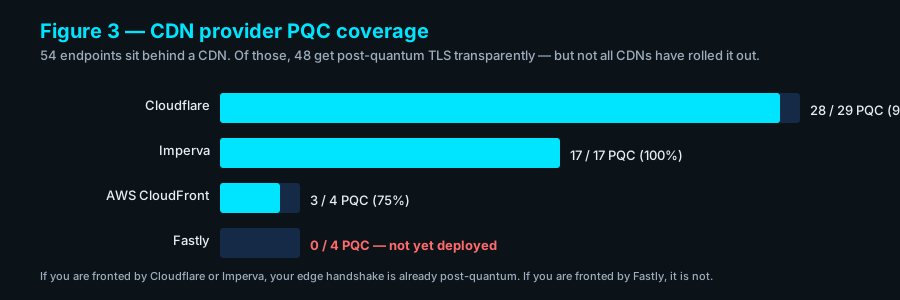
短い答え:ブラウザからエッジへのハンドシェイクについては、Cloudflare、ImpervaおよびAWS CloudFrontが今日無償で耐量子TLSを提供します。長い答えは、エッジPQCは接続の最初の区間のみをカバーしており、最初の区間は容易な方の半分だということです。
| CDNプロバイダー | 前面に置かれているNZ CI エンティティ数 | PQCネゴシエート | 比率 |
|---|---|---|---|
| Cloudflare | 29 | 28 | 97% |
| Imperva / Incapsula | 17 | 17 | 100% |
| AWS CloudFront | 4 | 3 | 75% |
| Fastly | 4 | 0 | 0% |
Cloudflareは2026年初頭、ネットワークへのブラウザ開始接続の57.4%が耐量子鍵共有を含み、Cloudflareへの人間トラフィックの65%が耐量子暗号化されていることを公表しました [4]。Akamaiは2026年2月からすべてのIonおよびDynamic Site Acceleratorの顧客に対してクライアントからエッジへの接続でML-KEM + X25519ハイブリッドをデフォルトにし、2026年1月31日からAkamaiからオリジンへの区間でもPQCのデフォルト展開を開始しました [16]。AWSは2024年から2026年にかけてKMS、ACM、Secrets Manager、S3、CloudFrontにML-KEMを搭載しました [17]。Fastlyは公式にPQCへのコミットメントを表明していますが、私たちのスキャン日時点ではまだデフォルトで有効化していません。
4件のNZ重要インフラエンティティはFastlyの背後にあります。スキャン当日、そのいずれもエッジで耐量子TLSを持っていませんでした。これらのエンティティにとって、これはQ2/Q3の計画的展開として2026年4月にFastlyアカウントチームに提起すべき問題です。
しかしより大きな問題は、エッジPQCがブラウザと最寄りのCDN POP間で起きることのみをカバーするという点です。以下はカバーしません:
- CDNからオリジンへ。CDNから自社サーバーへのバックエンド区間は依然として古典的かもしれません。その区間を観察できる国家レベルの敵対者は、依然としてハーベスト・アンド・デクリプトが可能です。Akamaiは2026年初頭からこの区間をデフォルトでPQC化し始めましたが、他のCDNについては依然として顧客ごとの設定選択です。明示的に有効化していなければ、おそらく持っていません。
- 内部東西トラフィック。データベースレプリケーション、サービスメッシュ、VPN、Active Directory、文書署名、コード署名パイプライン、メール暗号化、S/MIME、バックアップ——これらのいずれもエッジTLS PQCの恩恵を受けません。
- すでに取得された過去のデータ。PQCを有効化する前に記録されたものはすべて、依然としてHNDLリスクにさらされています。
- 署名。証明書用ML-DSA(FIPS 204)は別の後続の移行です。2026年4月時点で公開Web PKIはまだECDSAとRSAで稼働しており、本番の認証局はまだML-DSAチェーンを発行していませんが、その作業は進行中です。
CDNからのエッジPQCは答えの約40〜50%です。残りの半分は、組織自身が何かをすることを必要とします。
オリジン側PQCを稼働させている13のエンティティ
これらは、CDNを前置せず、自組織のインフラで公開ウェブエンドポイント上の耐量子鍵交換をネゴシエートしている13のエンティティ(118件中、11%)です。私たちの見解では、これらのみがスキャンの中でPQC陽性の結果が上流ベンダーのデフォルトではなく実際の観察可能な暗号選択を反映している組織です。
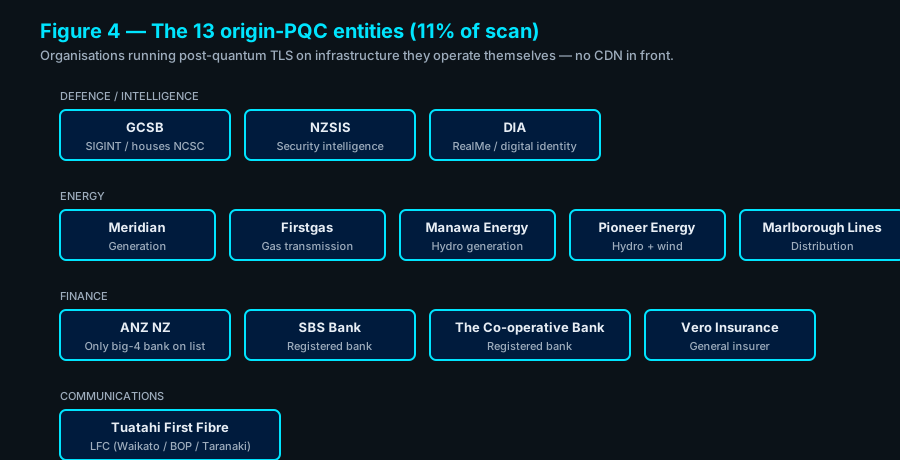
防衛・諜報機関(3件):GCSB、NZSIS、DIA。NZの暗号政策を担う機関が、自ら公式に推奨する暗号技術を稼働させています。内務省のインフラはRealMe——ニュージーランドの連邦デジタルアイデンティティサービス——を支えており、これは特に歓迎すべきことです。
エネルギー(5件):Meridian Energy、Firstgas、Manawa Energy、Pioneer Energy、Marlborough Lines。主に現代的で最近再構築された公開ウェブインフラを持つエンティティです。Firstgasは注目に値します——国家ガス送配電事業者であり、そのオリジンは暗号の最新動向に遅れを取っていません。
金融(4件):ANZ New Zealand、SBS Bank、The Co-operative Bank、Vero Insurance。ANZはこのリストで唯一のビッグ4銀行です。
通信・データ(1件):Tuatahi First Fibre——北島中央部を担当するローカル光ファイバー会社。
あなたの組織がこのリストにある場合:続けてください、ありがとうございます。あなたの組織がこのリストになく、Cloudflare、ImpervaまたはAkamaiの背後にある場合:ベンダーから無償で意味のある量のPQC保護を受けていますが、独自の暗号態勢はまだ持っていません。あなたの組織がこのリストになく、それらのCDNの背後にもない場合:やるべき作業があります。
DPMC諮問——そして重大な欠落
DPMCの討議文書「ニュージーランドの重要インフラシステムのサイバーセキュリティ強化」 [19]は、2026年2月に公表され、7つの必須サービスセクターにわたる約200のNZ重要インフラエンティティを対象とした6項目の規制フレームワークを提案しています。中心的な柱(措置5)は、対象エンティティがNCSC推奨または国際的に認められたサイバーセキュリティフレームワーク(NIST CSFやISO/IEC 27001:2022など)に準拠したサイバーリスク管理プログラムを実施することを求めています。提出期限は2026年4月19日午後11時59分です。
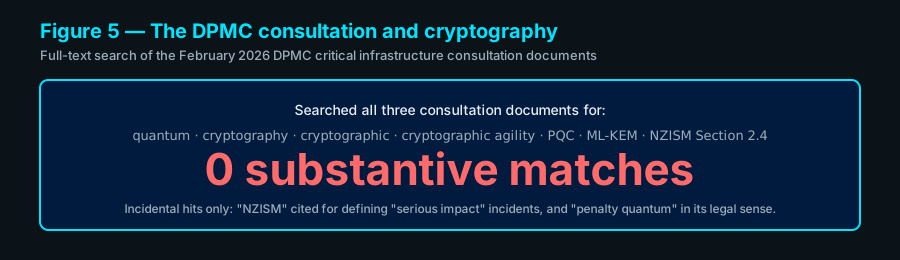
私たちは3つの諮問文書すべて——主要討議文書、補足文書1(政策目標、原則、措置評価)[20]、補足文書2(重要インフラの定義)[15]——を読みました。quantum、cryptography、cryptographic、cryptographic agility、PQC、ML-KEM、post-quantum、NZISM Section 2.4という用語を検索しました。
実質的な一致は見つかりませんでした。ヒットしたのは付随的なもののみです:NZISMが主文書14ページで「深刻な影響」のあるサイバーインシデントを定義する文脈で一般的に言及されていること、および「quantum」という単語が20ページで非技術的な意味(「penalty quantum」)で使用されていることです。
これは重大な欠落です。NZISMセクション2.4はすでに機関にPQCの動向を監視し、暗号システムの棚卸しを行うことを要求しています [18]。DPMCフレームワークはこれらの義務を広範な重要インフラ対象に拡張しておらず、その提案するリスク管理プログラムは——今後10年以上続くよう設計されているにもかかわらず——暗号的敏捷性を必須の成果として特定していません。
DPMCへの私たちの提出書(本報告書と同日公表)は、3つの具体的な追加を勧告しています:
- 措置5の最低限の成果としての暗号棚卸し。対象エンティティは、自組織の必須サービスがどの暗号プリミティブに、どこで、どの程度依存しているかを把握することを求められるべきです。
- 措置5の下での重大サイバーリスクとしてのハーベスト・ナウ・デクリプト・レイターの認識。長期的な機密性を要求するデータ——医療記録、法的事項、産業IP、国家情報、長期保存の金融記録——は、暗号学的に意義のある量子コンピュータが5年後、10年後、20年後に登場するかどうかにかかわらず、今日すでにHNDLに実質的にさらされているものとして扱われるべきです。
- 受け入れフレームワークリストへのNZISMの追加。措置5の受け入れフレームワークリストには、NIST CSFやISO/IEC 27001:2022に加えてNZISMが含まれるべきであり、いずれの受け入れフレームワークへの準拠も、プロセス管理だけでなく、そのフレームワークの暗号管理を含むことを求められるべきです。
諮問は4日後に締め切られます。重要インフラエンティティを運営している場合、またはそのためのサイバーリスクに携わっている場合、これは内閣が最終提案を見る前に暗号的敏捷性を規制上の議題に載せる安価な機会です。
組織は実際に何をすべきか?
ほとんどのNZ組織がこれらのいずれもまだ行っていないと仮定した場合、おおよその優先順位で:
1〜2か月目:棚卸し。暗号操作を実行するすべてのシステムを整理してください——ウェブフロントエンド、VPN、データベース暗号化、SSHキー、コード署名パイプライン、文書署名、メール暗号化、バックアップ、IoT/OT。それぞれについて、アルゴリズム、鍵長、ライブラリとバージョン、データ保持要件を記録してください。これは実施できる中で最もレバレッジの高い単一の作業であり、後続するすべての決定の前提条件です。
2〜3か月目:HNDLリスクによる分類。これらのシステムのうち、10年以上機密性を維持する必要があるデータに関わるものはどれですか?医療記録、法的ファイル、商業IP、法定保存義務のある財務記録、顧客PII、M&A文書、国家関連情報。これらが移行の優先事項です。
4〜6か月目:容易な成果。ほとんどのウェブプロパティについて、耐量子TLSの有効化は再構築ではなく設定変更です。CDNと話し合い、デフォルトでネゴシエートされる鍵交換グループを確認してください。TLSライブラリをアップグレードしてください。クライアント向けハンドシェイクで X25519MLKEM768 を導入してください。測定してください——監視は安価です。
6〜18か月目:より困難な層。証明書発行(ML-DSA)、VPN(IKEv2ハイブリッドモード)、SSH、S/MIME、コード署名、保存データベース、HSM保持鍵。エコシステムはまだ成熟中ですが、方向性は確定しています。
2年目以降:設計原則としての暗号的敏捷性。アルゴリズムのハードコーディングをやめてください。プリミティブをローテーション可能なポリシー決定として扱ってください。ML-KEMは最後の言葉ではありません——暗号的敏捷性こそが真の長期的保護です。
SpinsphereはKaysecプラクティスを通じて、ニュージーランドの組織をまさにこれにおいて支援しています——暗号棚卸し、HNDLリスク評価、PQC移行計画、NZISMセクション2.4への対応。私たちの典型的なエンゲージメントは、長期秘密(法律、医療、エンジニアリングIP、財務記録、法定保存義務の対象となるもの)を扱い、信頼できる移行計画がどのようなものかを考えるための支援を必要とする小中規模のNZ企業を対象とした、範囲を絞った棚卸しとギャップ評価です。本報告書の内容があなたの組織にとって重要であれば、お問い合わせください。
方法論上の注記、注意事項、データの所在
- すべてのコード、対象リスト、生JSONデータ、完全HTMLレポートは公開リポジトリにあります:github.com/spinsphere/nzism-pqc-audit。
- 「PQC陽性」のスキャン結果は、スキャナーから提示された際にサーバーが
X25519MLKEM768をネゴシエートしたことを意味します。「PQC陰性」の結果は、サーバーが耐量子鍵交換グループをネゴシエートせず、通常は古典的X25519に、少数の場合は古典的ECDHEを使用したTLS 1.2にフォールバックしたことを意味します。 - CDN検出はHTTPレスポンスヘッダーのフィンガープリントによります。完全ではありません——一部のエンティティは複数のCDN層を使用しており、エッジでのヘッダー正規化によってプロバイダーの識別情報が隠されることがあります。検出器が報告したプロバイダーを記載しています。
- 2件のハンドシェイクエラー(Wellington Electricity、Southland Hospital)は一時的なものであり、TLSの意図的な欠如を反映するものではありません。
- PQC陽性のTLSハンドシェイクは耐量子対応に必要ですが、それだけでは十分ではありません。これは一つの観察可能な公開向けシグナルを測定します。他のいかなる面の暗号態勢も測定しません。
- 私たちは何かを間違えているでしょう。エラーを見つけた場合は教えてください:
simon [at] spinsphere.xyz。
結びの言葉
16か月前、暗号学的に意義のある量子コンピュータは2035年以降の問題のように見えました。今日では、両側に大きな不確実性を持つ2030年問題のように見えます。この移行をうまく乗り越える組織は、2026年に暗号棚卸しを始め、その後3年間をかけてリストを消化していく組織です。苦労する組織は確実性を待つ組織であり、それはこの問題において確実性が一日遅れで届くからです。
長く残る価値のあるデータは守る。
参考文献
[1] Shor, P. W. (1994). “Algorithms for quantum computation: discrete logarithms and factoring.” Proceedings 35th Annual Symposium on Foundations of Computer Science. doi:10.1109/SFCS.1994.365700
[2] The Quantum Insider. (2026, April 6). “How quantum computing affects cryptography.” https://thequantuminsider.com/2026/04/06/how-quantum-computing-affects-cryptography/
[3] NIST. (2024, August 13). “NIST Releases First 3 Finalized Post-Quantum Encryption Standards.” FIPS 203 (ML-KEM), FIPS 204 (ML-DSA), FIPS 205 (SLH-DSA). https://www.nist.gov/news-events/news/2024/08/nist-releases-first-3-finalized-post-quantum-encryption-standards
[4] Cloudflare. (2026). “The state of the post-quantum Internet in 2025.” https://blog.cloudflare.com/pq-2025/
[5] Gidney, C. (2025). “How to factor 2048 bit RSA integers with less than a million noisy qubits.” arXiv:2505.15917. https://arxiv.org/abs/2505.15917
[6] Gidney, C. and Ekerå, M. (2019). “How to factor 2048 bit RSA integers in 8 hours using 20 million noisy qubits.” arXiv:1905.09749. https://arxiv.org/abs/1905.09749
[7] Adkins, H. and Schmieg, S. (2026, March 25). “Google’s timeline for post-quantum cryptography migration.” The Keyword / Google Blog. https://blog.google/innovation-and-ai/technology/safety-security/cryptography-migration-timeline/
[8] Cloudflare. (2026, March 25). “Cloudflare targets 2029 for full post-quantum security.” https://blog.cloudflare.com/post-quantum-roadmap/
[9] The Quantum Insider. (2026, March 25). “Google shortens timeline for quantum-safe encryption transition.” https://thequantuminsider.com/2026/03/25/google-shortens-timeline-for-quantum-safe-encryption-transition/
[10] Google Research. (2026, March). “Safeguarding cryptocurrency by disclosing quantum vulnerabilities responsibly.” https://research.google/blog/safeguarding-cryptocurrency-by-disclosing-quantum-vulnerabilities-responsibly/
[11] The Quantum Insider. (2026, March 31). “Q-Day just got closer: three papers in three months are rewriting the quantum threat timeline.” https://thequantuminsider.com/2026/03/31/q-day-just-got-closer-three-papers-in-three-months-are-rewriting-the-quantum-threat-timeline/
[12] Adkins and Schmieg, 2026 [7] で参照。Boston Consulting Groupの「2030年に始めることはすでに手遅れになる」という見解は、2026年中のPQC移行緊急性に関する業界説明会で広く引用されています。
[13] NIST. (2024). “NIST IR 8547 (Draft): Transition to Post-Quantum Cryptography Standards.” https://csrc.nist.gov/pubs/ir/8547/ipd
[14] NSA. (2025, May). “Commercial National Security Algorithm Suite 2.0.” https://media.defense.gov/2025/May/30/2003728741/-1/-1/0/CSA_CNSA_2.0_ALGORITHMS.PDF
[15] DPMC. (2026, February). “Supplementary Document 2: Defining critical infrastructure.” https://www.dpmc.govt.nz/sites/default/files/2026-02/nz-cyber-security-discussion-supp-doc-2-feb-2026.pdf
[16] Akamai. (2026). “Akamai enables post-quantum cryptography on the edge.” https://www.akamai.com/blog/security/akamai-enables-post-quantum-cryptography-edge
[17] AWS. (2024–2026). “ML-KEM post-quantum TLS now supported in AWS KMS, ACM and Secrets Manager.” https://aws.amazon.com/blogs/security/ml-kem-post-quantum-tls-now-supported-in-aws-kms-acm-and-secrets-manager/
[18] NZISM. “Section 2.4 — Post-Quantum Cryptography.” https://nzism.gcsb.govt.nz/
[19] DPMC. (2026, February). “Enhancing the cyber security of New Zealand’s critical infrastructure system — Discussion document.” https://www.dpmc.govt.nz/publications/discussion-document-enhancing-cyber-security-new-zealands-critical-infrastructure-system
[20] DPMC. (2026, February). “Supplementary Document 1: Policy objectives, principles and assessment of measures.” https://www.dpmc.govt.nz/sites/default/files/2026-02/nz-cyber-security-discussion-supp-doc-1-feb-2026.pdf
KaysecはSpinsphere内の耐量子セキュリティプラクティスです。SpinsphereはニュージーランドのQuantum技術会社です。私たちはツールを構築し、研究を公表し、組織の耐量子移行計画を支援します。あなたの組織が長期秘密を持ちながら暗号棚卸しがない場合は、ご連絡ください。
購読:kaysec.spinsphere.xyz · ソースコード:github.com/spinsphere/nzism-pqc-audit
 English
 日本語
日本語 简体中文
简体中文 한국어
한국어